

Key Takeaways
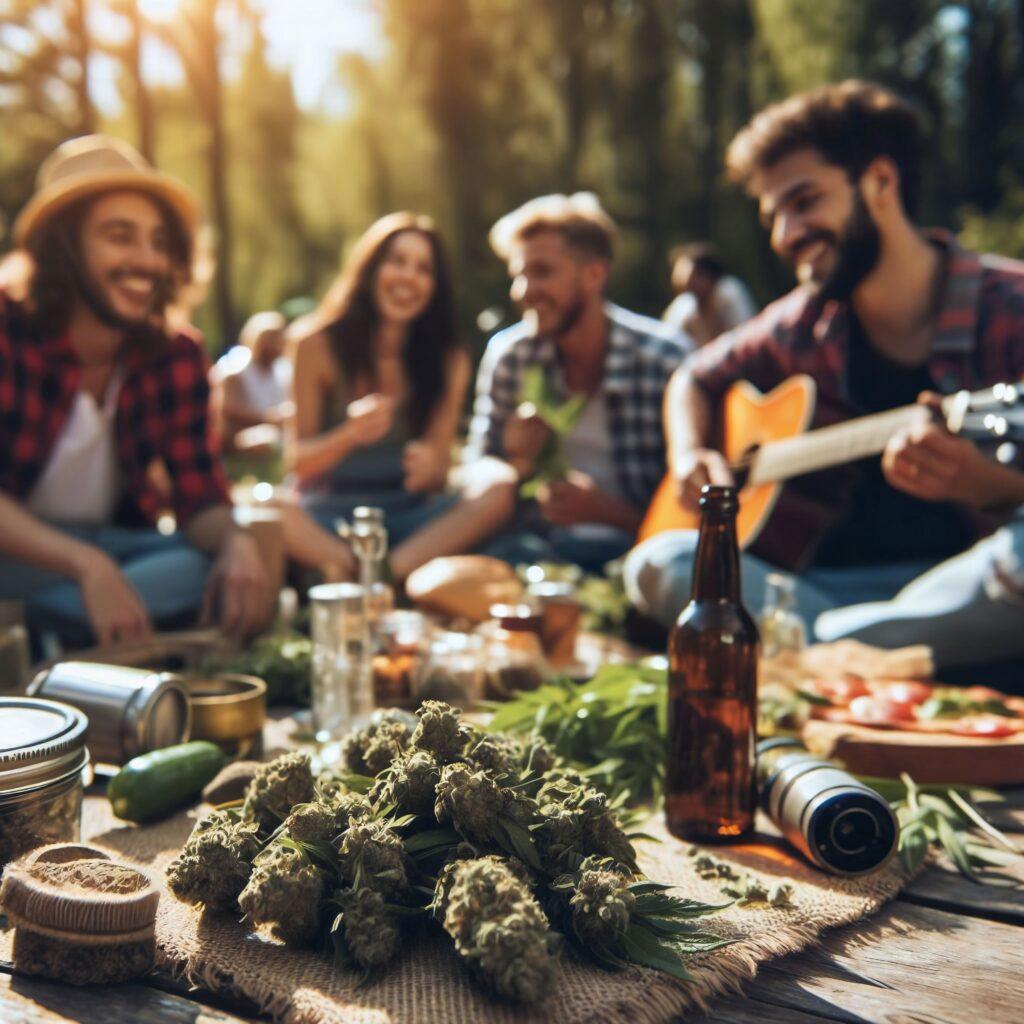
- Across cultures and generations, cannabis has long helped create spaces for togetherness, openness, and shared ritual.
- Cannabis often brings people together through wellness, creativity, advocacy, and social gatherings built on common values.
- In social settings, cannabis can enhance presence and bonding.
- One-on-one moments can become more meaningful.
- For couples, cannabis can support intimacy and shared rituals.
At its core, cannabis has always been about more than the plant itself. Long before dispensaries, branded jars, or curated menus, cannabis existed as a shared experience; one passed between hands, enjoyed in circles, and woven into rituals that brought people together. Across cultures and centuries, it has created space for openness, presence, and connection. In a world that often feels fast, fragmented, and overstimulated, cannabis continues to offer something deeply human: the chance to slow down and meet one another where we are.
Connection happens on many levels, from broad community gatherings to intimate one-on-one moments. Cannabis has a unique ability to support all of them, adapting to the setting, the people, and the intention behind the experience. This is the heart of the plant: not escape, but engagement; not isolation, but togetherness.
Community, Culture, and Shared Experience
At the widest level, cannabis often serves as a social bridge. Community events, wellness circles, creative collectives, and advocacy spaces frequently form around shared values tied to the plant: curiosity, healing, self-expression, and connection. Research has shown that cannabis use often occurs in social settings and can increase feelings of group cohesion and shared identity.
Cannabis can act as a social equalizer in these spaces. By reducing stress and social tension for some people, it may help individuals feel more at ease participating in group conversations and activities. When people feel more present and less guarded, connection comes more naturally. That sense of ease can make it simpler to listen, empathize, and engage beyond surface-level interaction.
In this way, cannabis culture has helped foster communities built not just on consumption, but on shared experience. The plant becomes a common thread, but the real value lies in the relationships that form around it.
The Social Sweet Spot: Friends, Gatherings, and Everyday Joy
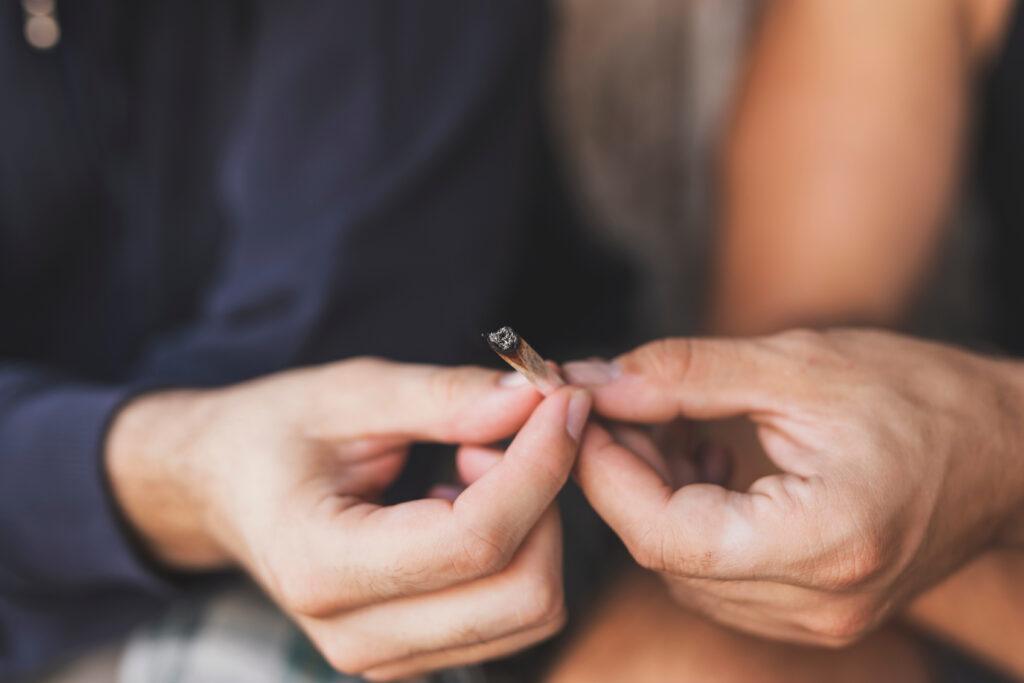
As the circle narrows, cannabis often plays a role in social moments that feel joyful and memorable. Think friends passing a pre-roll at a birthday party, sharing low-dose edibles before a concert, or winding down together after a big celebration. These moments aren’t about excess—they’re about enhancing togetherness.
Cannabis’s effects on perception and mood can help make shared experiences feel more immersive, supporting laughter, conversation, and emotional bonding in group settings. Importantly, today’s cannabis landscape allows people to choose products that match the moment: a low-dose gummy for a social buzz, a balanced flower for conversation, or a calming vape for post-event decompression.
These shared rituals—lighting up together, choosing products intentionally, checking in on how everyone feels—become part of the bonding process. They signal care, consideration, and presence, reinforcing the idea that connection is something worth tending to.
Deepening Bonds: One-on-One and Small Group Connection
Some of the most meaningful cannabis-supported moments happen in quieter settings. One-on-one conversations, close friendships, and small groups often benefit from the plant’s ability to encourage reflection and openness. Studies and anecdotal reporting suggest cannabis may help some people access emotions more easily and engage in deeper self-reflection, which can translate into more meaningful.
Long talks that stretch into the night, movie marathons that turn into heart-to-hearts, or walks that become meaningful check-ins are all familiar scenarios. Cannabis can help people slow their thoughts and tune into the present moment, making it easier to listen without distraction and be fully engaged with the person in front of them.
In these cases, cannabis isn’t the focus; it’s a facilitator. It helps create the conditions for connection: calm, curiosity, and a shared sense of ease.
Romance, Ritual, and the Valentine’s Connection
When it comes to romantic relationships, cannabis can play a particularly intentional role. Valentine’s Day often centers on grand gestures, but real intimacy is built in the quieter moments—shared routines, open communication, and mutual presence. Cannabis may support intimacy by helping partners reduce stress and become more emotionally available to one another.
Many couples incorporate cannabis into shared rituals, whether that’s enjoying an edible during a cozy night in, unwinding together at the end of the day, or pairing cannabis with music, conversation, or self-care. Lifestyle reporting and consumer surveys indicate that some couples find cannabis enhances emotional closeness and physical intimacy when used intentionally and consensually.
Cannabis may also encourage more open communication by supporting reflection and vulnerability, which are key components of healthy relationships. When approached with intention, these shared experiences can help partners feel more connected, grounded, and present with one another.
The Heart of the Plant
From community-wide gatherings to deeply personal moments, cannabis continues to bring people closer. Its power lies not in what it takes away, but in what it creates: space to connect, to listen, and to be present with one another. Research consistently shows that cannabis is most often used in social contexts, underscoring its role as a shared, relational experience rather than a solitary one.
At Budr, we believe the heart of cannabis is connection. Whether you’re celebrating friendship, community, or love this Valentine’s season, the plant offers a reminder that the most meaningful experiences are the ones we share.