


Key Takeaways
- A healthier relationship with cannabis begins by focusing on how you want to feel—calm, clear, rested, or balanced—rather than chasing labels, trends, or rigid resolutions.
- THC, CBD, and terpene profiles work together to shape each experience. Understanding commonly discussed characteristics can help consumers make more informed personal choices.
- What supports daytime use may feel different from evening use. Matching products to time of day, setting, and personal routine can help improve consistency.
- Starting low, tracking your response, and planning ahead are essential parts of intentional use.
- When paired with purposeful routines like reflection, rest, or mindfulness, cannabis can complement wellness-oriented lifestyles without replacing the foundational habits that sustain them.
The start of a new year carries a quiet invitation. Not the loud, all-or-nothing energy of resolutions that fade by February, but something more grounded. A pause. A chance to reflect on how we want to feel in our bodies, our minds, and our daily routines.
Wellness today looks different than it did a decade ago. It’s less about rigid rules and more about intentional habits; small, thoughtful choices that support balance rather than chase perfection. For many people, cannabis has become part of that conversation. Not as a treatment or solution, but as a personal ritual that some adults choose to include alongside rest, reflection, or creative time.
At Budr, we believe renewal starts with understanding. This means moving beyond strain names and trends, and toward a clearer picture of how cannabis actually works and how it can fit into a healthier, more intentional year.
From Resolution to Intention
Traditional New Year’s resolutions often fail because they’re rigid and outcome-driven: lose weight, be less stressed, sleep better. Intentions, on the other hand, are about direction.
They ask a more useful question: “How do I want to feel and what supports that feeling?”
Cannabis fits best into a personal routine when it’s guided by intention rather than impulse. That might mean choosing a product that feels calming at the end of a long day, or one that aligns with a creative or reflective moment. It also means acknowledging limits around timing, dosage, and context.
It has been studied that cannabis can affect perception and coordination in the short term, which is why thoughtful planning matters. Intention isn’t just about what you choose, but when and why you choose it.
Cannabinoids as the Foundation of the Experience
At the core of every cannabis product are cannabinoids, the naturally occurring compounds that interact with the body’s endocannabinoid system. Researchers continue to study this system and its role in maintaining internal balance, though much is still being explored.
Two cannabinoids dominate most conversations:
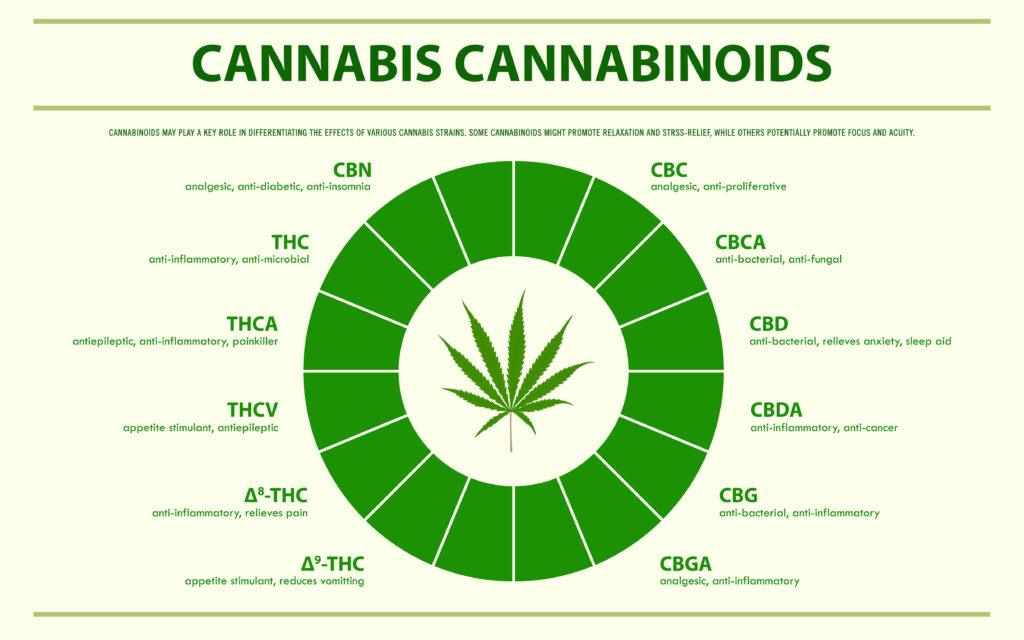
THC (tetrahydrocannabinol)
THC is widely known as the primary intoxicating compound in cannabis. Studies and consumer reports describe its effects as varying widely depending on dose, product type, and individual tolerance. In research and consumer accounts, THC is sometimes associated with effects like pain relief, appetite stimulation, nausea reduction, and mood lift—though these experiences are not consistent for everyone and depend heavily on dose, setting, and individual response. Because experiences can differ from person to person, many consumers pay close attention to amount and timing when incorporating THC into their routines.
CBD (cannabidiol)
CBD is non-intoxicating and often discussed by consumers seeking a more subtle experience. Some studies suggest CBD may interact with THC in complex ways, and many people report using it to balance their personal experience. CBD has also been studied for potential roles related to discomfort, stress, and inflammation, but findings are still evolving and individual outcomes can vary by product, dose, and metabolism. Effects can vary depending on ratio, formulation, and individual metabolism.
The key takeaway for a renewal mindset: there’s no universal formula. Cannabis affects everyone differently based on body chemistry, tolerance, and context. Understanding cannabinoids provides a framework, but self-observation and moderation guide the rest.
Terpenes Shape Mood and Direction
If cannabinoids are the foundation, terpenes are the tone.
Terpenes are aromatic compounds found in cannabis and many other plants. They influence scent and flavor, and they are often discussed in consumer education as a way to describe the character of different products.
Some commonly referenced terpenes include:
- Limonene, often described as bright or citrus-forward, and sometimes discussed in cannabis education as “uplifting” or mood-supportive
- Myrcene, commonly associated with earthy or grounding aromas, and often described by consumers as relaxing or sedating
- Pinene, known for sharp, fresh scents, and sometimes associated with a clearer, more “uplifting” experience
- Linalool, floral and soft in character, and often described as calming or stress-relieving in consumer reports
Rather than promises, think of terpenes as signals. They help narrow choices and improve consistency, but they’re not guarantees. Reported experiences depend on the full chemical profile, dose, and individual response.
Matching Cannabis to Your Day
A mindful cannabis routine recognizes that different moments call for different support.
Morning or Daytime Use (for clarity and focus)
Some consumers report preferring lower-THC or balanced THC:CBD products earlier in the day. When paired with terpene profiles described as fresh or light, these options may feel more compatible with creative or social moments. Microdosing—using very small amounts—is a strategy many people use to better understand personal tolerance.
Evening Decompression
After a long day, intention often shifts from activity to unwinding. Many people describe evening use as part of a broader wind-down routine, such as cooking, stretching, or quiet reflection. Consistency and setting often matter more than potency.
Sleep and Recovery
Cannabis and sleep are an active area of study, and individual experiences vary widely. Some consumers also look for products that include CBN (cannabinol) as part of their nighttime routine, because CBN is often described in consumer education as having more relaxing, sleep-supportive potential—especially when paired with THC—though research is still developing and effects can vary by person and product. Some consumers find it helpful to incorporate relaxation-oriented products earlier in the evening rather than immediately before bed. With longer-lasting formats like edibles, timing and moderation are especially important.

Mindful Consumption and Habits That Support Renewal
Renewal doesn’t happen overnight. It’s built through repetition and self-awareness. A few principles can help consumers approach cannabis more intentionally:
Start Low and Go Slow
Especially with edibles, effects can be delayed and longer-lasting. Starting with a low amount allows time to observe how your body responds.
Noting the product, amount, and setting can help identify patterns over time. These personal observations often become more useful than generalized descriptions.
Plan Ahead
Because cannabis experiences can vary, thoughtful planning is part of responsible use. Choosing when and how to engage helps maintain balance within a broader routine.
Pair Cannabis with Purpose
Cannabis works best as a companion to habits like mindfulness, creativity, or rest—not as a substitute for them. Intention-setting can be as simple as pausing to reflect before use.
A More Sustainable Path Forward
The spirit of renewal isn’t about becoming someone new. It’s about returning to what feels aligned physically, emotionally, and mentally.
When cannabis is approached with curiosity rather than assumptions, and intention rather than excess, it can become a more thoughtful part of an adult lifestyle. Understanding cannabinoids and terpenes helps remove guesswork. Mindful habits add structure. Reflection builds trust with your own experience.
As the year unfolds, renewal doesn’t require perfection, only presence. At Budr, we believe in making one thoughtful choice at a time.