


Key Takeaways
- National Sleep Awareness Month is a reminder to reassess rest and recovery habits.
- Cannabinoids like CBD and CBN are being studied for their potential role in relaxation and sleep, though research is ongoing and experiences vary.
- Muscle comfort and post-activity recovery are common experiences, especially with topical and CBD-forward products.
- Terpenes such as myrcene and linalool may influence relaxation experiences, contributing to wellness-focused formulations.
- How ritual helps create renewal: pair cannabis with healthy sleep hygiene practices.
March marks a shift. The days stretch longer. The air softens. We begin to think about resetting routines, restoring energy, and stepping into spring with clarity. It’s also National Sleep Awareness Month, a timely reminder that true renewal starts with rest.
Before we dive deeper, we’d love to hear from you. As part of our own Spring Reset, we’re looking ahead, and your input can help shape what comes next at Budr. What’s your dream product? What would you like to see more (or less) of on our menus? What’s missing from your current routine? Please take a few minutes to share your thoughts in our Budr Wishlist Survey and help us build what’s next, together: Click here to take the survey.
Now, back to the blog. As the season changes and routines begin to shift, it’s a natural opportunity to reset both mentally and physically.
For many adults, sleep and recovery remain ongoing challenges. According to the Centers for Disease Control and Prevention, about one in three U.S. adults reports not getting enough sleep regularly. As conversations around wellness evolve, cannabis has increasingly become part of how people think about supporting rest, relaxation, and physical recovery.
At Budr, we approach these conversations responsibly. Cannabis is not a cure or treatment, and experiences vary from person to person. But research, emerging science, and consumer reports suggest that certain cannabinoids and terpenes may play a role in how individuals wind down, recover, and reset.
Sleep as the Foundation
Sleep is the cornerstone of physical and mental restoration. It supports cognitive clarity, mood regulation, muscle repair, and overall resilience. Yet modern schedules, stress, and screen exposure often disrupt healthy sleep cycles.
Cannabis has long been associated with nighttime relaxation. Research suggests that cannabinoids like THC and CBD interact with the body’s endocannabinoid system, which plays a role in regulating sleep, mood, and stress responses. Some studies indicate that cannabis may influence sleep latency—the amount of time it takes to fall asleep—and perceived sleep quality, though long-term effects remain an area of active research.
CBD, in particular, has drawn attention for its potential calming effects without intoxication. A frequently cited clinical case series published in The Permanente Journal found that many participants reported improved sleep scores after taking CBD, though results varied and further controlled trials are needed.
CBD is also widely used for its anti-inflammatory properties and is often incorporated into routines aimed at managing chronic discomfort, including arthritis-related inflammation. By supporting the body’s stress response and influencing serotonin receptors, CBD may help create better conditions for restful sleep.
More recently, CBN (cannabinol) has entered the wellness conversation. While human research is still limited, early studies and consumer reports suggest that CBN may be associated with sedative-like effects, especially when paired with other cannabinoids. This has led to the rise of sleep-focused formulations combining CBD, CBN, and low-dose THC.
In addition to its reputation for sedation, research suggests CBN may act as an anti-inflammatory and analgesic agent, potentially helping relieve joint and muscle discomfort. By easing physical tension while promoting a calm, relaxed state, CBN may support both recovery and rest, particularly for those whose sleep is disrupted by pain or stress.
THC has also been studied for its potential to aid sleep by acting as a sedative and shortening sleep latency. Through CB1 receptor activation, THC may help quiet the mind, relax the body, and increase time spent in deeper stages of sleep when carefully dosed.
For those exploring cannabis as part of a nighttime ritual, low-dose gummies or tinctures are often preferred for their measured, consistent delivery. Many people start with 2.5–5 milligrams of THC and allow up to 2.5 hours to feel full effects. If you’re new to edibles, remember: go low, go slow. Finding a dose that feels supportive—rather than overwhelming—is key.

Muscle Comfort and Post-Activity Recovery
Spring reset isn’t just about sleep; it’s about physical renewal, too. As activity levels increase with warmer weather, many people seek ways to feel more comfortable after workouts, long days, or time spent outdoors.
Cannabinoids such as CBD and CBC (cannabichromene) have been studied for their interaction with inflammatory pathways in the body. While more clinical research is needed, preliminary findings suggest cannabinoids may influence how the body responds to physical stress.
Topical products, such as balms and creams infused with cannabinoids, have become popular in recovery routines. Because topicals typically act locally rather than systemically, they are often used by individuals seeking targeted support for specific areas after exercise or strain.
Again, individual experiences vary. What matters most is thoughtful experimentation, low and slow dosing, and paying attention to how your body responds.
Terpenes: The Aroma of Relaxation
Beyond cannabinoids, terpenes—the aromatic compounds found in cannabis—play an important role in shaping the overall experience.
Some terpenes are commonly associated with relaxation and sedation:
- Myrcene: Often found in indica-leaning cultivars, myrcene is frequently described as earthy or musky. Anecdotally, it is associated with calming effects.
- Linalool: Also present in lavender, linalool has been studied for its potential calming and soothing properties.
- Beta-Caryophyllene: Found in black pepper and cloves, this terpene interacts with CB2 receptors and is being explored for its role in stress and inflammatory response.
- Terpinolene (in certain contexts): While sometimes uplifting, in combination with other compounds it may contribute to balanced, relaxing effects.
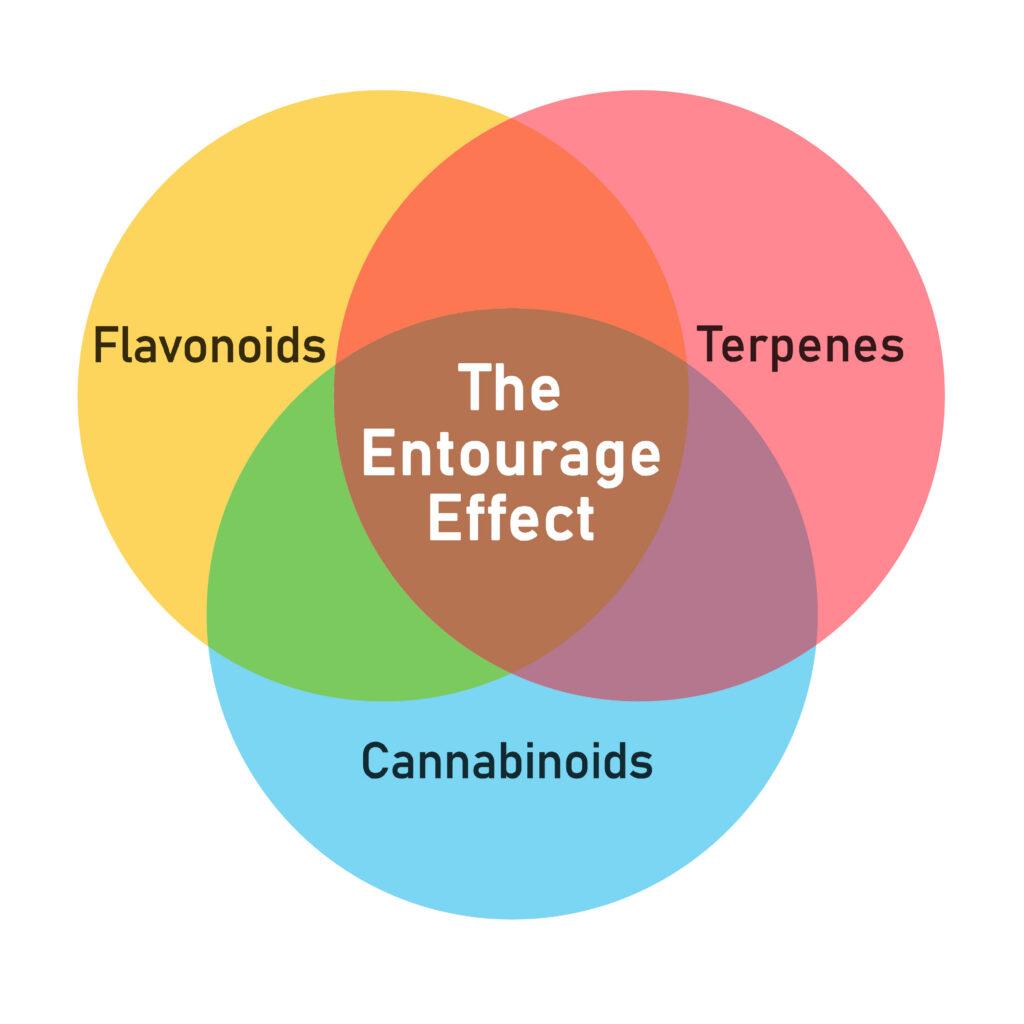
The concept known as the “entourage effect” suggests cannabinoids and terpenes may work together synergistically, influencing how a product feels overall. While this theory continues to be studied, it has shaped how many wellness-focused brands formulate sleep and recovery products.
When browsing sleep gummies or nighttime formulations, looking at both cannabinoid ratios and terpene profiles can provide helpful insight into the intended experience.
Creating Spring Reset Rituals and Routines
Cannabis alone doesn’t create renewal, ritual does.
Pairing cannabis with healthy sleep hygiene practices may enhance the overall experience. That could include:
- Powering down screens an hour before bed
- Dimming lights to support natural melatonin production
- Taking a warm shower or bath
- Practicing light stretching or breathwork
- Journaling to clear mental clutter
For many consumers, incorporating a low-dose sleep gummy into this routine becomes a signal to the body that it’s time to wind down. Over time, consistency in these habits may help reinforce better rest patterns.
March, with its emphasis on renewal, is an ideal time to reassess what’s working and what’s not. Are you feeling restored when you wake up? Are your current products aligned with your goals? Are you seeking more plant-forward, wellness-oriented options?
Choosing Wellness-Focused Products
The cannabis market has matured significantly and so have consumer preferences. Increasingly, shoppers are seeking:
- Lower-dose, balanced formulations
- CBD- and CBN-forward sleep gummies
- Clearly labeled cannabinoid ratios
- Transparent sourcing and third-party testing
- Vendors with wellness-driven missions
Budr is proud to carry a range of sleep gummies and recovery-focused products from trusted vendors who prioritize thoughtful formulation. Whether you’re exploring cannabinoids for rest, muscle comfort, or general relaxation, our team is here to help guide your experience responsibly.
As always, start low, go slow, and consult a healthcare professional if you have questions about how cannabis may fit into your personal wellness routine.